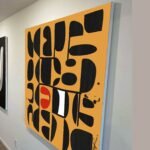
For years I thought success meant selling more paintings, more orders, more customers, more work. And there were times when the orders came pouring in. I was selling a huge number of paintings at bargain prices, working hard to keep up and learning firsthand what it meant to be busy.
Over time, I began to see success differently. Selling paintings is important, of course, but so is understanding how to make the most of the work, experience, and creativity that go into producing them.
I love creating art. I enjoy exploring ideas, experimenting with color, and developing paintings that reflect my own vision. That creative process is what keeps me going. But years of experience have also taught me that the way I approach the business side of art matters just as much.
Knowing the Value of My Work
Every painting represents more than the time spent putting paint on canvas. There’s the experience behind it, the decisions that shape it, the materials, and the creative process that brings it to life.
I’ve learned to look at the complete picture when considering the value of my work. Pricing and presentation go hand in hand. The way a painting is introduced to the world should reflect the quality and thought behind it.
My goal is to present my paintings confidently, with pricing that takes the work involved into account. I want to connect with buyers who appreciate what they see and recognize the value of owning an original work of art.
Working Smarter Means Having a Strategy
Creating the painting is one part of the process. Getting it in front of potential buyers is another.
Today, I work with my website, photographs, videos, written descriptions, and advertising to introduce my paintings to a wider audience. Each element has a purpose. A good presentation captures attention, communicates something about the work, and gives an interested buyer a reason to take the next step.
I’ve learned that these elements work best when they complement one another. An advertisement introduces the painting, while my website offers a closer look at the work and the artist behind it. Consistency in presentation and pricing helps bring everything together.
I’m continually exploring better ways to showcase my paintings and reach people who might connect with them. The objective is to make each part of the process work more effectively, rather than simply putting in more hours.
Making Time Count
Time and energy are valuable resources for any artist. There’s the time spent creating, but also the time involved in photographing, presenting, promoting, and selling the work.
Experience has taught me to consider how those pieces fit together. I want the effort I put into my business to contribute to something worthwhile: getting my paintings noticed, building relationships with buyers, and making sales that reflect the value of the work.
That means being thoughtful about opportunities, understanding what buyers are looking for, and presenting my paintings in ways that make sense for both the customer and the business.
It’s about making informed decisions and putting my time where it can make a difference.
Making Room for What Matters
After years of painting, selling, experimenting, and learning, I have a better understanding of what I bring to the table. I know what I enjoy creating, what goes into producing my work, and how important it is to present it well.
I want to keep exploring new ideas and developing paintings that excite me creatively. At the same time, I want to build a business that gives those paintings the opportunity to find the right buyers and provides a worthwhile return on the time, materials, and experience behind them.
For me, working smarter doesn’t mean cutting corners or putting less into my art. It means bringing the same thought and creativity I put into painting to the decisions I make about presenting and selling it.
After all these years, I’m still learning and discovering better ways to bring the creative and commercial sides of my work together.
The goal isn’t simply to do more. It’s to make what I do count.
After years of building a career as an artist, I’m proud of what I’ve accomplished and grateful that I can continue doing what I love. There’s always something new to explore, another idea to pursue, or another direction to take a painting.
And when someone connects with my work, appreciates what I’ve created, and chooses to make it part of their life, that’s a reward in itself. It reminds me why I started painting in the first place and motivates me to keep creating, keep learning, and keep moving forward.
The experience I’ve gained over the years isn’t behind me. It’s what I bring to everything I do next.